The Ultimate Guide to Electrical Safety Inspections for Homes and Small Businesses
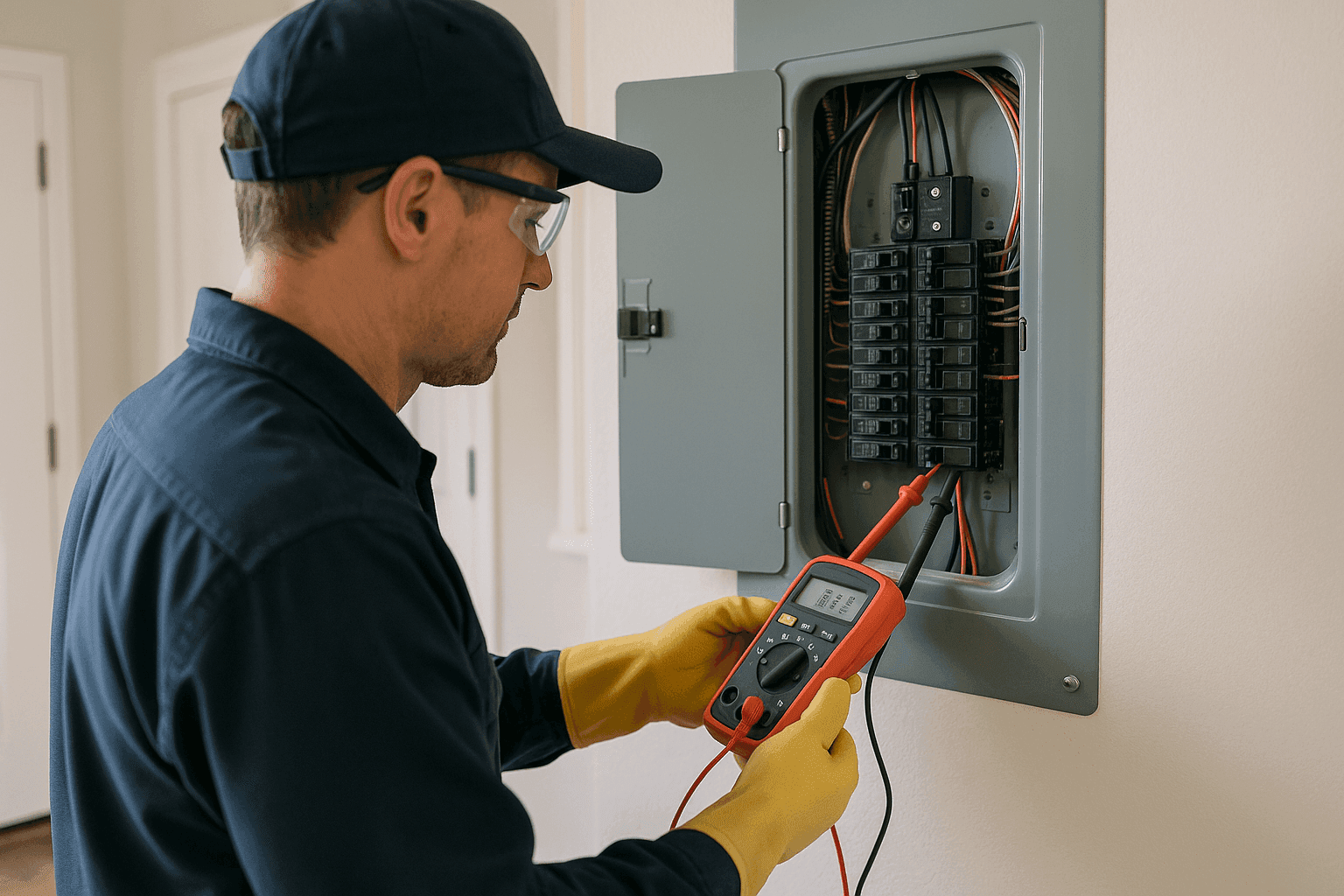
Electricity powers our lives, but it's easy to forget how much we rely on it—until something goes wrong. Whether you're a homeowner or a small business owner, the safety of your property and everyone inside depends on a healthy electrical system.
Electrical issues can start quietly. A flicker here, a warm outlet there. But left unchecked, small problems can spark big trouble. Fires, shocks, and expensive repairs often start with issues that could have been caught early. That's where a proper electrical safety inspection comes in.
Why Electrical Safety Inspections Matter ⚡
Imagine your electrical system as the circulatory system of your property. Wires, outlets, and circuits carry the lifeblood of modern living—electricity. If something clogs, leaks, or shorts, the results can be dangerous.
Regular electrical safety inspections are the check-ups your system needs. They're not just for peace of mind; they're a frontline defense against fire hazards, equipment failures, and even life-threatening shocks.
What Is an Electrical Safety Inspection?
An electrical safety inspection is a thorough review of your entire electrical system. Certified electricians look for:
- Outdated or damaged wiring
- Overloaded circuits
- Faulty outlets and switches
- Signs of overheating or arcing
- Compliance with current electrical codes and safety standards (like those from the National Electrical Code or Electrical Safety Authority)
The goal? To spot problems before they become emergencies.
The Risks of Skipping Inspections
Neglecting regular inspections is like ignoring the warning lights on your car's dashboard. You might get away with it for a while, but eventually, something gives out. According to the National Fire Protection Association (NFPA), electrical failures are a leading cause of home fires. Many of these fires could have been prevented with timely safety checks.
Quick Safety Checklist for Your Property
Before you call for an inspection, here are a few signs your system might need attention:
- Frequent breaker trips or blown fuses
- Flickering or dimming lights
- Buzzing sounds from outlets or switches
- Warm or discolored outlets
- Burning smells, especially near electrical panels
- Sparks when plugging or unplugging appliances
- Outlets or switches that don’t work
- Extension cords used as permanent wiring
- Old wiring (especially if your property is over 30 years old)
- Recent water damage near electrical components
If you notice any of these, it's time to take action. Some issues can be urgent—don’t wait until something fails.
DIY Checks vs. Calling a Professional
It’s tempting to try a few fixes yourself. Tighten a screw, replace a switch, maybe reset a breaker. For simple things, that’s fine. But electricity is unforgiving. Even a small mistake can lead to shock, fire, or worse.
What You Can Safely Check
- Test smoke and carbon monoxide detectors monthly
- Check for loose outlet covers
- Look for signs of water near electrical outlets (never touch if wet)
- Make sure extension cords aren’t running under rugs or through doorways
When to Call an Emergency Electrician
- Any burning smell from outlets or panels
- Frequent breaker trips that don’t resolve
- Outlets or switches are hot to the touch
- You see sparks, hear buzzing, or notice arcing
A certified emergency electrician from Kamine Electrical can spot hazards that aren’t obvious to the untrained eye. They’re equipped with the right tools and knowledge to keep you safe.
What to Expect During a Professional Electrical Safety Inspection
A professional inspection is more than a quick glance at your breaker box. Here’s what happens when you schedule a visit:
1. Visual Assessment
The electrician will walk through your property, looking for signs of wear, damage, or outdated equipment. This includes checking:
- Outlets, switches, and cover plates
- Light fixtures and ceiling fans
- Electrical panels and subpanels
- Visible wiring (especially in basements, attics, and crawlspaces)
- GFCI and AFCI protection
2. Testing and Measurement
Using specialized tools, your electrician will:
- Test outlets for proper wiring and grounding
- Check circuit breakers for correct operation
- Measure voltage and current loads
- Inspect for proper surge protection
3. Code and Safety Compliance
Your system will be compared against up-to-date electrical codes, such as those from the National Electrical Code (NEC). Safety standards change over time, so even if your system was “up to code” years ago, it might not be now.
4. Detailed Reporting
After the inspection, you’ll receive a clear report. This outlines:
- Any hazards or code violations found
- Recommended repairs or upgrades
- Preventive steps to avoid future issues
If your property passes, you may receive a safety certificate—often required for insurance or property sales.
How to Prepare for an Electrical Inspection
A little prep goes a long way. Here’s how to help your electrician work efficiently:
- Clear access to electrical panels, outlets, and main service lines
- Move furniture away from outlets and switches
- Secure pets in another room
- List any known issues or recent electrical work
- Have all areas unlocked (basements, attics, utility rooms)
This ensures a smooth inspection and saves time for everyone.
The Role of Certified Electricians in Inspections
Not all electricians are the same. Certified electricians have completed rigorous training and stay current with safety codes and best practices. They use professional-grade equipment to test, diagnose, and document your system’s health.
A certified electrician can also issue required safety certificates—important for insurance claims, property sales, and legal compliance.
Seasonal and Emergency Considerations
Before Storm Season
Big storms can stress your electrical system. Inspections before storm season help ensure:
- Surge protection is in place
- Backup generators are ready
- Outdoor wiring and lighting are secure
After Electrical Faults or Outages
If you’ve had a power outage, flooding, or electrical fire, schedule an inspection before turning everything back on. Water and electricity don’t mix. Even if things “seem fine,” hidden damage can lurk behind walls.
For New Purchases or Renovations
Buying a new home or renovating your business? Always get an electrical safety inspection. Older properties, in particular, may have hidden wiring issues or outdated panels.
Prevention and Maintenance: Your Best Defense
Think of inspections as regular oil changes for your property. They catch small issues before they turn into major repairs. Combine inspections with these habits:
- Test smoke and carbon monoxide detectors monthly
- Replace batteries twice a year
- Avoid overloading outlets and extension cords
- Schedule professional inspections every 3–5 years (or more often for older properties or heavy use)
Regular maintenance extends the life of your system and keeps everyone safer.
Costs and Time Factors
Electrical safety inspections are an investment in your property’s future. The cost depends on:
- Size and age of your property
- Number of circuits and panels
- Any special systems (pools, spas, EV chargers, generators)
Most inspections take 1–3 hours for an average home or small business. Larger or more complex properties may take longer. If issues are found, repairs can add time and cost—but catching them early is always cheaper than dealing with emergencies later.
When It’s an Emergency
Some electrical problems can’t wait:
- You smell burning or see smoke from outlets or panels
- You lose power to critical equipment (like medical devices or refrigeration)
- Water has entered your electrical system (from leaks or floods)
- You experience repeated shocks or sparks
In these cases, call an emergency electrician right away. Don’t try to fix it yourself. Turn off power at the main breaker if it’s safe, and keep everyone clear until help arrives.
Frequently Asked Questions
How often should I get an electrical safety inspection?
Most homes and small businesses benefit from an inspection every 3–5 years. Older properties, or those with heavy equipment, should be checked more often.
Do I need an inspection if I’ve never had electrical problems?
Yes. Many issues start silently and can be dangerous long before you notice any symptoms. Regular inspections catch hidden hazards.
Will an inspection disrupt my home or business?
Most inspections are non-invasive and cause minimal disruption. Access to outlets, panels, and some rooms will be needed, but power is rarely shut off for long.
Are safety inspections required by law?
In many cases, yes—especially for property sales, insurance, or after major renovations. Requirements vary, but safety should always come first.
Special Considerations for Homes and Small Businesses
Every property is unique. Homes often have hidden wiring in attics and basements. Small businesses may have specialized equipment, high-voltage systems, or sensitive electronics. Pools, spas, EV chargers, and backup generators add extra complexity.
A professional inspection covers all these systems, ensuring every part of your electrical network is up to the task. Certified electricians stay current with evolving standards and can advise on upgrades, surge protection, and new technology.
Electrical safety isn’t something to put off. Whether you need a routine check or urgent help, Kamine Electrical is ready to keep your property safe—day or night.
Call Kamine Electrical now — or reach us anytime at 877-618-6775 .