How to Troubleshoot Common Electrical Problems Safely
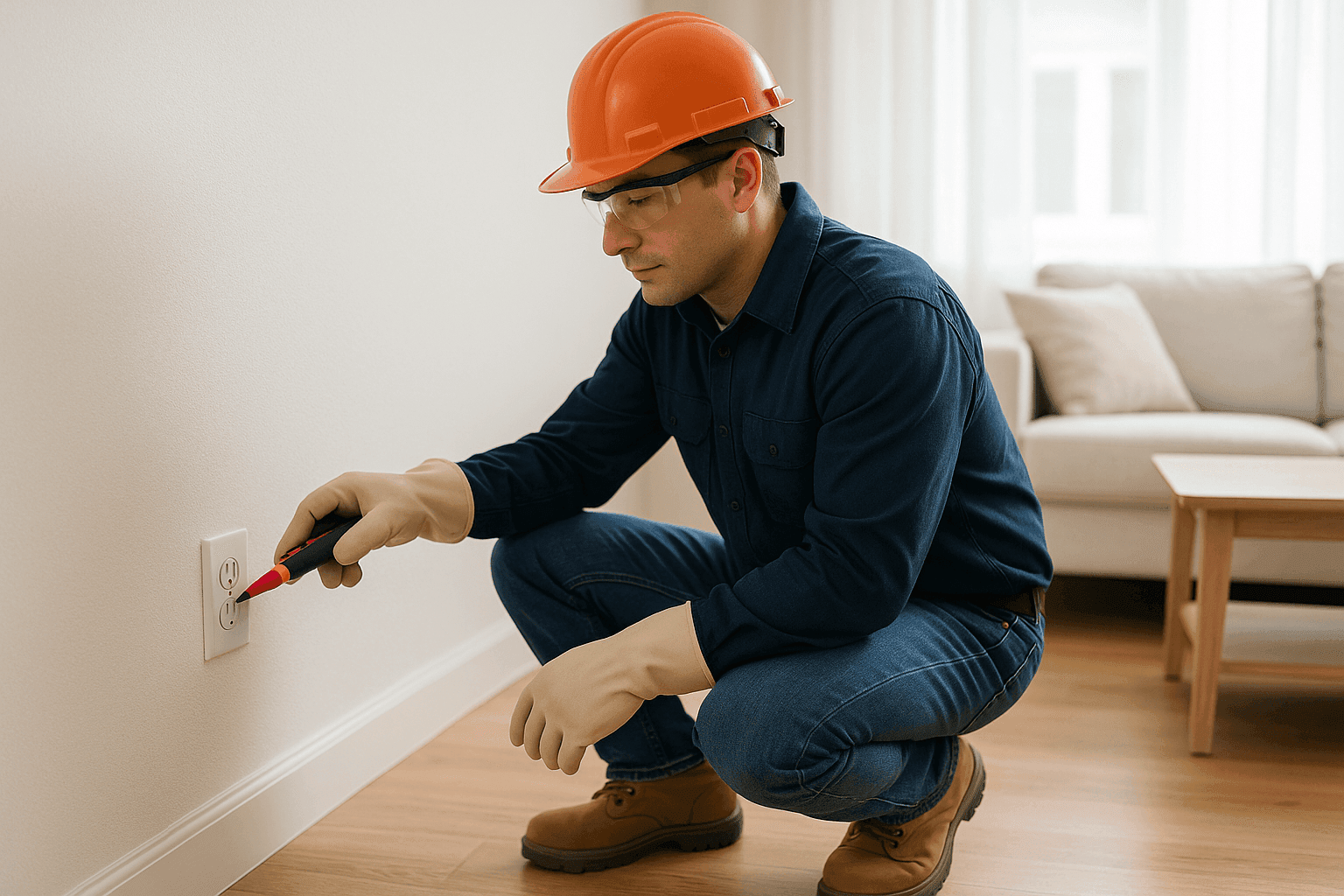
If the lights flicker at night or an outlet dies when you plug in your coffee maker, your first instinct might be to panic. Electrical problems rarely happen at a convenient time. And for most families and businesses, the idea of a wiring issue is like hearing strange noises from your car’s engine—unsettling and potentially costly.
At Kamine Electrical, we know the stress of a sudden blackout, buzzing panel, or a circuit breaker that just won’t stay put. With years handling 24/7 emergency electrician calls, we’ve seen it all—burnt outlets, power surges, and the dreaded smell of melting plastic. Read on for practical steps and safety-first advice that anyone can follow, whether you’re responsible for a home, an office, or a busy commercial space.
Identifying Common Issues
Before you grab your toolbox, it helps to recognize the signals your electrical system is sending. Think of these as your home or business’s version of a “check engine” light.
Visual and Audible Clues
- Dead Outlets: Plug in a lamp or device—nothing. No power at all.
- Flickering Lights: Bulbs that dim, brighten, or seem to blink without reason.
- Frequent Breaker Trips: The breaker keeps shutting off, even after you reset it.
- Sparking or Buzzing: Outlets or switches that crackle, pop, or give off a faint smell of burning.
- Warm Switches or Outlets: Noticeable heat, even when nothing is plugged in.
If you spot any of these, it’s a sign to pause and assess. Remember, electricity doesn’t give second chances.
Safety Precautions Before You Start ⚡
Electricity can be as unpredictable as a thunderstorm. Treat it with respect.
- Turn Off Power: Always shut off the circuit at the breaker panel before touching outlets, switches, or fixtures.
- Use Insulated Tools: Rubber-handled screwdrivers and a reliable voltage tester are your best friends.
- Test Before Touch: Use a voltage tester to double-check that power is off—even if you’re sure.
- Dry Hands, Dry Area: Never work on electrical issues in damp spaces or with wet hands.
- Keep a Flashlight Handy: Especially if you’re troubleshooting in a dark area or during an outage.
- Don’t Ignore Smells: Burning odors or smoke mean stop immediately and call an emergency electrician.
Never push your luck. If you’re unsure, step away and call for repairs near you.
Step-by-Step Troubleshooting Guide
Some electrical issues are simple to check. Others are like icebergs—what you see is just the tip.
1. Check the Obvious
- Is the device or bulb faulty? Try it in another outlet to rule out the appliance.
- Is the switch on? Sometimes, the simplest answer is the right one.
- Reset the Breaker: Locate your panel. Flip the tripped breaker fully off, then back on.
2. Test the Outlet or Switch
- Use a Voltage Tester: Carefully insert the probes into the outlet slots. No light on the tester? Power is out.
- Look for GFCI Outlets: Kitchens, bathrooms, and garages often have special outlets with reset buttons. Press “RESET” and test again.
3. Inspect for Visible Damage
- Scorch marks, melted plastic, or frayed wiring? Stop here. These are red flags.
- Loose Plates or Covers: Sometimes, a loose cover can mean a loose wire inside.
4. Note Patterns
- Is the problem isolated or widespread? Multiple dead outlets or lights can mean a larger issue, like a faulty breaker or old wiring.
Remember, never open a breaker panel or attempt repairs on wiring unless you are licensed. According to the National Electrical Code (NEC), only qualified personnel should perform internal electrical work.
When to Call a Professional
Some problems are best left to those with the right tools and training. Here’s your “do not pass go” list:
- Repeated Breaker Trips: If resetting doesn’t solve it, there’s a deeper issue.
- Burning Smells or Smoke: This can lead to fire. Call an emergency electrician immediately.
- Sparking Outlets or Panels: Any sign of sparks or arcing is dangerous.
- Water Damage: Outlets or panels exposed to water need professional attention.
- Old or Aluminum Wiring: High risk for overheating and fire.
- You Feel Unsure: Even the best DIYer should know their limits.
Electrical repairs aren’t like changing a lightbulb. When in doubt, call for repairs near you.
What Pros Do On Arrival
When you call Kamine Electrical or another emergency electrician, here’s what you can expect:
- Thorough Visual Inspection: Checking for code violations, damage, and safety hazards.
- Testing Circuits: Using advanced meters and testers to locate the root problem.
- Isolating the Fault: Tracing wiring, outlets, and panels to find where things went wrong.
- Repair or Replacement: Replacing faulty breakers, rewiring circuits, or upgrading panels as needed.
- System Safety Check: Ensuring your home or business is safe before leaving.
Licensed electricians follow local building codes and the NEC, ensuring repairs last—and keep you safe.
Prevention & Maintenance
A little attention goes a long way. Think of electrical maintenance like regular car servicing—it keeps everything running smoothly.
- Schedule Annual Safety Checks: Regular inspections uncover problems before they grow.
- Upgrade Outdated Wiring: Especially in homes or buildings over 30 years old.
- Test GFCI and AFCI Outlets Monthly: These keep you safe around water and prevent arc faults.
- Don’t Overload Circuits: Spread out high-power devices to avoid overheating.
- Install Surge Protection: Protect sensitive electronics and appliances.
- Label Your Panel: Clear labels make troubleshooting faster in emergencies.
Simple habits can keep your family and business safe from electrical surprises.
Costs & Time Factors
How long will troubleshooting take? Costs can vary—here’s a general idea:
- Simple Fixes: Replacing a breaker or outlet often takes under an hour.
- Complex Issues: Tracing wiring faults or panel upgrades can take several hours or more.
- Emergency Service: After-hours or urgent visits may be higher, but are crucial for safety.
The cost of prevention is almost always less than the price of emergency repairs—or worse, fire damage.
When It’s an Emergency
Not every outage is urgent. But some situations mean you need help—fast:
- Smoke or Burning Smells: Immediate danger—evacuate and call for emergency service.
- Repeated Loss of Power: Especially if it affects critical systems like refrigeration or medical devices.
- Flooded Outlets or Panels: Water and electricity never mix.
- Downed Wires: Stay away and call a licensed professional.
Don’t wait for a small problem to become a crisis. Emergency electricians are available 24/7 for repairs near you.
FAQ
Q: My outlet feels warm. Is that normal?
A: No. Warmth can mean overloading or a loose wire. Turn off the breaker and call an electrician.
Q: Why do my lights flicker only when the AC turns on?
A: Large appliances can cause voltage dips, but persistent flickering may signal poor wiring or overloaded circuits.
Q: Can I replace a breaker myself?
A: Only if you are trained and know local codes. Otherwise, always hire a licensed electrician.
Q: What’s the safest way to test an outlet?
A: Use a non-contact voltage tester after switching off the breaker. Never use metal objects or touch bare wires.
Local & Seasonal Considerations 🌧️
Storms, humidity, and local building codes all play a part in electrical safety. After heavy rain or storms, check for water intrusion near panels, outlets, and exterior wiring. If you notice corrosion, rust, or moisture, schedule a professional inspection. In older neighborhoods, wiring may not meet current codes—annual checks can catch dangers before they become emergencies.
For businesses, regular maintenance keeps operations running smoothly during peak seasons. Don’t wait for a blackout to discover your system isn’t up to the task.
When in doubt, safety matters most. Don’t risk your home, business, or your life on a guess. Call Kamine Electrical now — or reach us anytime at 877-618-6775 .