How to Prepare Your Home Electrical System for Winter Storms
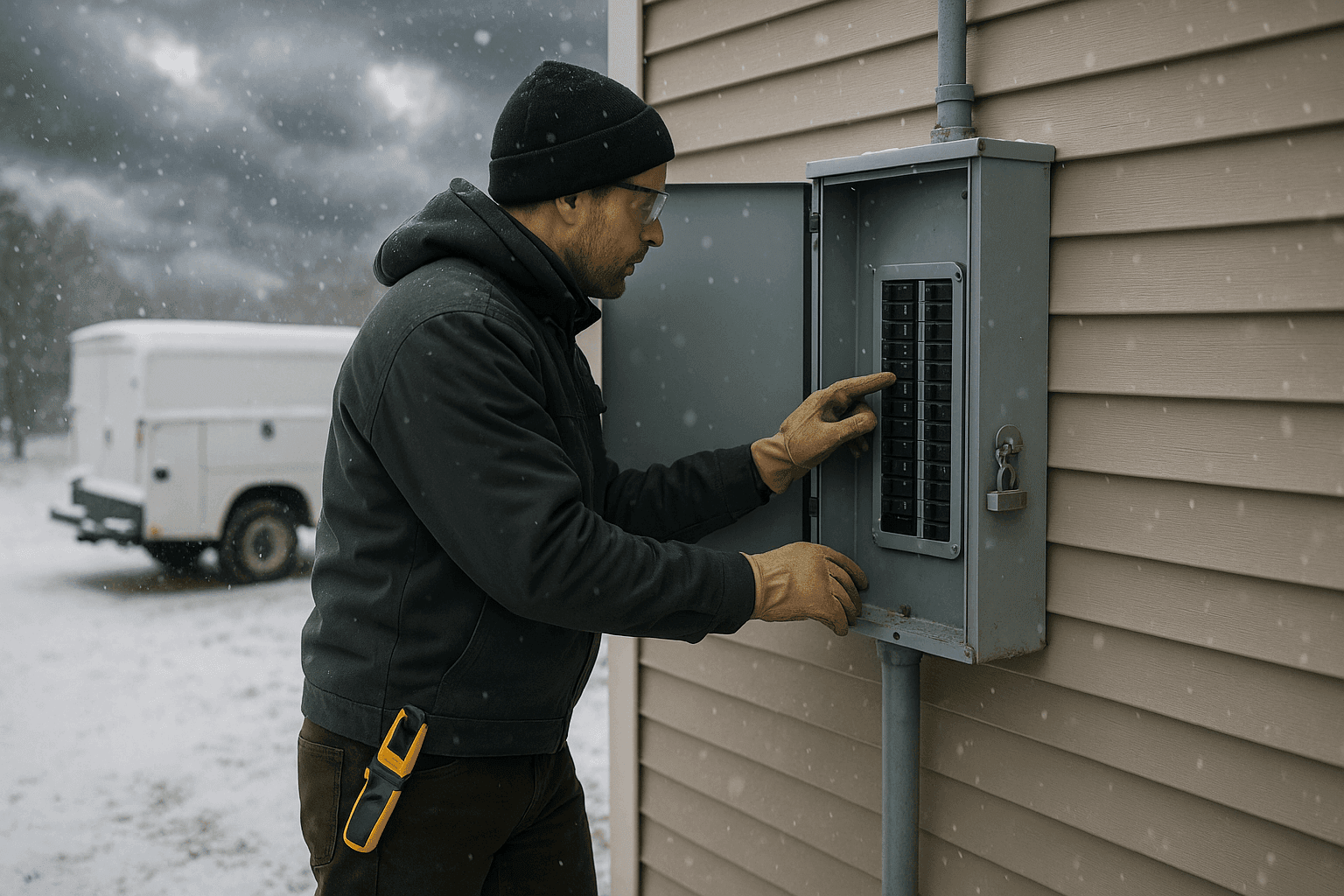
Winter storms can turn a cozy evening into a scramble for flashlights and blankets. The power flickers. The wind howls. Suddenly, your home’s electrical system is put to the test.
At Kamine Electrical, we know how quickly things can go from calm to chaos. As emergency electricians, we’ve seen the difference a little preparation can make when the weather turns rough. Here’s how to keep your home safe, warm, and powered up—even when winter has other plans.
Understanding Winter Electrical Risks ❄️
Winter storms don’t just bring snow and ice. They bring electrical hazards that can catch anyone off guard. Here’s what you’re up against:
- Power Surges: When the power comes back after an outage, a sudden rush of electricity can damage appliances and wiring.
- Outages: Heavy snow, ice, or falling branches can knock out lines, leaving you in the dark.
- Frozen Wiring: Extreme cold can make old or exposed wires brittle, leading to shorts or even fires.
- Overloaded Circuits: Heaters, holiday lights, and extra appliances can push your system to its limits.
Think of your home’s electrical system as the heart of your house. When winter storms hit, you want it healthy and strong—not struggling to keep up.
Essential Winter Electrical Safety Checks
Before the first flake falls, take time to check these critical areas. A simple inspection now can prevent a world of headaches later.
- Electrical Panels & Breakers: Open the panel and look for rust, corrosion, or odd smells. Make sure breakers are clearly labeled and easy to access.
- Outlets & Switches: Test each one. If you feel warmth, see discoloration, or hear buzzing, something’s wrong.
- Smoke & Carbon Monoxide Detectors: Press the test button. Replace batteries if needed. Detectors can save lives, especially when heaters and generators are in use.
- Wiring & Circuits: Check visible wiring in basements, attics, and garages for wear or damage. If you see fraying or exposed wires, don’t touch—call an emergency electrician.
- GFCI Outlets: These outlets, especially in kitchens, bathrooms, and outdoors, should trip when tested. If not, they may need replacement.
Quick Safety Checklist
- Replace worn extension cords.
- Unplug unused appliances.
- Clear snow and debris from outdoor vents and panels.
- Know where your main breaker is located.
- Keep a flashlight and spare batteries handy.
DIY Tips vs. When to Call a Professional
Some tasks are safe for any homeowner. Others should only be handled by a pro. Here’s how to tell the difference.
DIY-Friendly Tasks
- Testing outlets and detectors.
- Resetting tripped breakers.
- Swapping out batteries in smoke/CO detectors.
- Unplugging non-essential devices during a storm.
Call a Professional If:
- You smell burning or see scorch marks near outlets.
- Breakers trip repeatedly.
- You find damaged or exposed wiring.
- Lights flicker or dim, especially when using major appliances.
- You’re unsure about any electrical issue—better safe than sorry.
Remember, electricity isn’t forgiving. If you’re ever in doubt, call Kamine Electrical. Our emergency electricians are on call, day or night.
Backup Power Solutions for Winter
When the grid goes down, a backup plan keeps your home running and your family safe.
Generator Options
- Portable Generators: Good for essentials—fridge, a few lights, maybe the furnace. Always run them outdoors, away from windows and doors.
- Standby Generators: These kick in automatically when the power fails. They can run your whole house, but require professional installation and regular maintenance.
Maintenance Tips
- Test your generator monthly.
- Keep fuel fresh and stored safely.
- Schedule annual service with a licensed electrician.
- Never overload your generator—follow the manufacturer’s instructions.
The National Fire Protection Association (NFPA) recommends installing carbon monoxide detectors if you use a generator. It’s a small step that can make a big difference.
Surge Protection and Preventative Measures ⚡
A surge protector is like an umbrella for your electronics—shielding them from the storm’s worst.
- Whole-Home Surge Protectors: Installed at your electrical panel, these defend against big surges from lightning or power restoration.
- Point-of-Use Surge Protectors: Use these for sensitive devices like computers, TVs, and gaming systems.
- Wiring Upgrades: Old or undersized wiring is more likely to fail in winter. Upgrading can prevent problems before they start.
The Electrical Safety Foundation International (ESFI) recommends surge protection as a key line of defense for homeowners.
Prevention and Maintenance
Keep your electrical system in top shape with regular attention:
- Schedule a professional inspection before winter each year.
- Trim trees and branches near power lines—call a pro for anything close to wires.
- Don’t overload outlets or extension cords.
- Replace old appliances with energy-efficient models.
A little prevention is worth a lot of peace of mind.
Costs & Time Factors
Electrical work can range from a quick fix to a major project. Here’s what to expect:
- Safety Checks & Inspections: Usually completed in under two hours.
- Simple Repairs: Outlet or switch replacements often take less than an hour.
- Panel Upgrades or Generator Installations: These can take a full day or more, depending on your home’s setup.
- Emergency Calls: Response time depends on weather, but Kamine Electrical is available 24/7.
While costs vary, investing in safety now is far less expensive than dealing with damage or outages later.
When It’s an Emergency
Certain signs mean it’s time to call an emergency electrician—no waiting, no hesitation.
- Burning smells or visible smoke.
- Sparking outlets or panels.
- Loss of power to essential systems (heating, medical devices).
- Water leaks near electrical equipment.
- Repeated tripping of breakers or blown fuses.
If you’re unsure, treat it as an emergency. It’s always better to be safe.
FAQ: Winter Electrical Storms
Q: Can I use space heaters during a storm?
A: Yes, but plug them directly into wall outlets—never extension cords. Keep them away from water and flammable materials.
Q: How often should I test my smoke and carbon monoxide detectors?
A: Press the test button monthly. Replace batteries at least once a year, or whenever the low-battery alarm sounds.
Q: Are all surge protectors the same?
A: No, some only protect small devices. For whole-home protection, ask about panel-mounted surge protectors.
Q: What should I do if I lose power?
A: Turn off major appliances to prevent overloads when power returns. Use flashlights, not candles. If the outage lasts, consider your backup power plan.
Special Considerations for Winter Electrical Service
- Frozen Pipes: If pipes freeze near wiring, water damage can follow—call for help immediately.
- Holiday Lighting: Use outdoor-rated lights and cords. Don’t overload circuits with too many decorations.
- Electric Vehicles: Make sure your EV charger is on a dedicated circuit and inspected before winter.
- Pools & Spas: Shut down and winterize electrical components to prevent damage.
Winter storms don’t have to mean disaster. With the right steps, your home can weather any storm—warm, bright, and safe.
Call Kamine Electrical now — or reach us anytime at 877-618-6775 .