How to Safely Install and Maintain Home EV Chargers
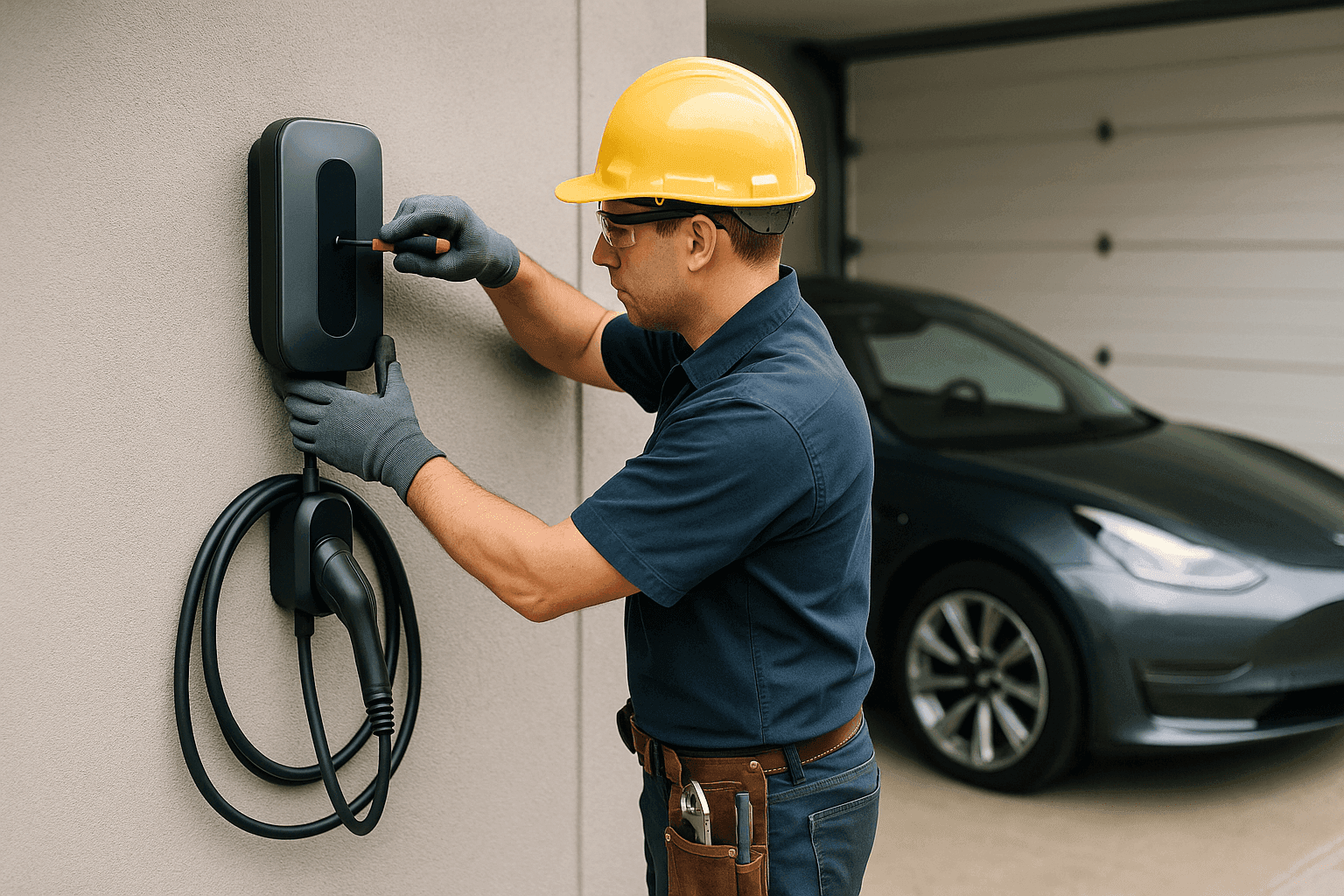
Thinking about adding an electric vehicle (EV) charger at home? You’re not alone. More folks are making the switch, and reliable home charging is the key. But when it comes to electricity, there’s no room for shortcuts.
At Kamine Electrical, we know how quickly a small mistake can turn into a big emergency. Whether you’re a homeowner or a small business owner, this guide will walk you through safe installation, smart maintenance, and what to do if things go sideways.
Why Install a Dedicated Home EV Charger?
Plugging your EV into a regular outlet is like trying to fill a swimming pool with a garden hose. It’ll work—eventually—but it’s slow and not always safe. A dedicated EV charger gives you faster charging, better safety, and peace of mind. Plus, it helps protect your car’s battery and your home’s electrical system.
Professional installation ensures your charger meets electrical codes, keeps your warranty valid, and keeps your family or business safe.
Quick Safety Checklist Before You Start ⚡
- Check your electrical panel: Is there enough capacity for a new circuit?
- Know your charger type: Level 1 (120V) or Level 2 (240V)? Most homes need upgrades for Level 2.
- Inspect wiring: Old or damaged wiring? Don’t risk it.
- Read manufacturer instructions: Always follow their safety guidelines.
- Test smoke and carbon monoxide detectors: A working alarm system is your first defense.
- Have a fire extinguisher nearby: Just in case.
If any of these boxes aren’t ticked, pause and get help from a professional.
DIY vs. Call a Pro: What’s Really at Stake?
It’s tempting to try a DIY installation. After all, how hard can it be? But electricity isn’t like assembling furniture—it’s more like handling a sleeping bear. One wrong move can wake up big trouble.
Here’s why many choose a licensed electrician:
- Code compliance: Electrical codes (like the National Electrical Code, NEC) are there for a reason.
- Insurance: DIY mistakes can void your homeowner’s policy.
- Safety: Faulty wiring can cause fires, shocks, or damage to your EV.
You might save a few bucks upfront with DIY, but the risks are real. If you’re unsure, it’s always safer to call in a pro.
Assessing Your Electrical System’s Capacity
Before installing an EV charger, you need to know if your home can handle it. Think of your electrical panel as a busy train station—there’s only so much room on the tracks.
- Panel size: Most Level 2 chargers need a 40-amp circuit. Does your panel have space?
- Existing load: What else is running? Air conditioning, appliances, pool pumps—all these add up.
- Wiring condition: Old, brittle, or undersized wires can’t safely handle new loads.
An electrician will perform a load calculation, following NEC Article 220, to see if upgrades are needed.
Choosing the Right EV Charger Model
Not all chargers are created equal. Here’s what to consider:
- Charging speed: Level 1 chargers use standard outlets but are slow. Level 2 chargers are much faster but need a dedicated 240V circuit.
- Connector type: Make sure it matches your vehicle.
- Smart features: Wi-Fi controls, scheduling, and energy monitoring can add convenience.
- Weatherproofing: Outdoor chargers need proper enclosures.
Talk to your electrician about your driving habits and future needs before buying.
Preparing Your Home for Installation
Getting ready isn’t just about picking a spot in the garage. Here’s what happens before the first wire is connected:
- Site assessment: Where will the charger go? Is there easy access to your panel?
- Permitting: Many areas require permits for new circuits. This ensures everything’s up to code.
- Panel upgrades: Sometimes, a new sub-panel or even a service upgrade is needed.
- Trenching: For outdoor or detached garage installs, underground wiring may be required.
A professional will handle these steps, keeping safety and code compliance front and center.
What the Pros Do on Arrival
When Kamine Electrical arrives, here’s what you can expect:
- Inspection: We check your panel, wiring, and grounding.
- Load calculation: Ensures your system won’t be overloaded.
- Permitting and paperwork: We handle the red tape.
- Installation: Mounting the charger, running conduit, connecting wiring, and labeling circuits.
- Testing: Verifying voltage, grounding, and charger operation.
- Safety check: Confirming all detectors and surge protection are in place.
We follow the latest safety codes and manufacturer specs every step of the way.
Prevention & Maintenance Tips
Once your charger is up and running, a little TLC goes a long way. Treat your EV charger like a high-performance appliance—it needs regular attention.
- Inspect cables and connectors: Look for wear, fraying, or discoloration.
- Clean regularly: Dust and debris can cause overheating.
- Test ground fault protection: Many chargers have built-in safety tests.
- Check for moisture: Keep outdoor units dry and clear of snow or ice.
- Surge protection: Install a whole-home surge protector to guard against power spikes.
- Schedule annual safety checks: A licensed electrician can spot issues before they become emergencies.
The National Fire Protection Association (NFPA) recommends regular inspections for all high-current devices.
Seasonal Considerations: Be Ready for Anything 🌧️
Storms, heat waves, and freezing temps can all impact your EV charger.
- Winter: Ice and snow can damage outdoor units or create slip hazards around cables.
- Summer: High temps can overheat chargers if ventilation is poor.
- Storm season: Lightning and surges can fry sensitive electronics.
Consider backup power options, like a generator, to keep charging during outages. Always unplug your charger if you suspect flooding or water intrusion.
Costs & Time Factors
Installing an EV charger isn’t one-size-fits-all. Here’s what affects price and timing:
- Panel upgrades: Needed if your current system is maxed out.
- Distance from panel: Longer wire runs cost more.
- Permitting and inspection fees: These vary by location and project complexity.
- Charger type and features: Smart chargers and weatherproof models cost more.
- Labor: Professional installation usually takes a few hours to a full day.
Budget for both the charger and installation. Upgrades or unexpected repairs can add to the timeline.
When It’s an Emergency: Signs You Need Help Now
Sometimes, things go wrong. Here’s when to call an emergency electrician right away:
- Burning smell or smoke: Unplug immediately and call for help.
- Tripped breakers that won’t reset: This could mean a serious fault.
- Charger won’t turn on: Especially if other circuits are affected.
- Sparking, buzzing, or hot components: These are red flags.
- Visible damage to wires or outlets: Don’t risk a shock or fire.
If in doubt, turn off power at the panel and call a professional. Safety first—always.
Frequently Asked Questions
Do I need a permit to install a home EV charger?
Yes, most areas require a permit for new electrical circuits. This ensures your installation meets safety standards, like those in the NEC.
Can I use an extension cord with my EV charger?
Never use an extension cord for EV charging. It can overheat and cause a fire. Always use properly installed, dedicated wiring.
How often should I have my EV charger inspected?
At least once a year, or after any major storm or electrical event. Regular inspections catch problems early.
What if my charger stops working suddenly?
First, check your breakers and GFCI outlets. If the problem persists, call an emergency electrician for a safe diagnosis.
Special Considerations for Home and Small Business Owners
- Business use: Commercial properties may need higher-capacity chargers and additional safety features.
- Multiple vehicles: Plan for future needs—install extra circuits if you’ll add more chargers later.
- Accessibility: Make sure chargers are easy to reach but protected from vehicles, weather, and curious kids.
- Insurance: Notify your insurer after installation to ensure coverage.
Always follow manufacturer instructions and reference resources like the National Electrical Code (NEC) and NFPA guidelines for up-to-date safety practices.
Ready to power up your EV safely? Call Kamine Electrical now — or reach us anytime at 877-618-6775 .