Electrical Panel Upgrades: Signs You Need One and What to Expect
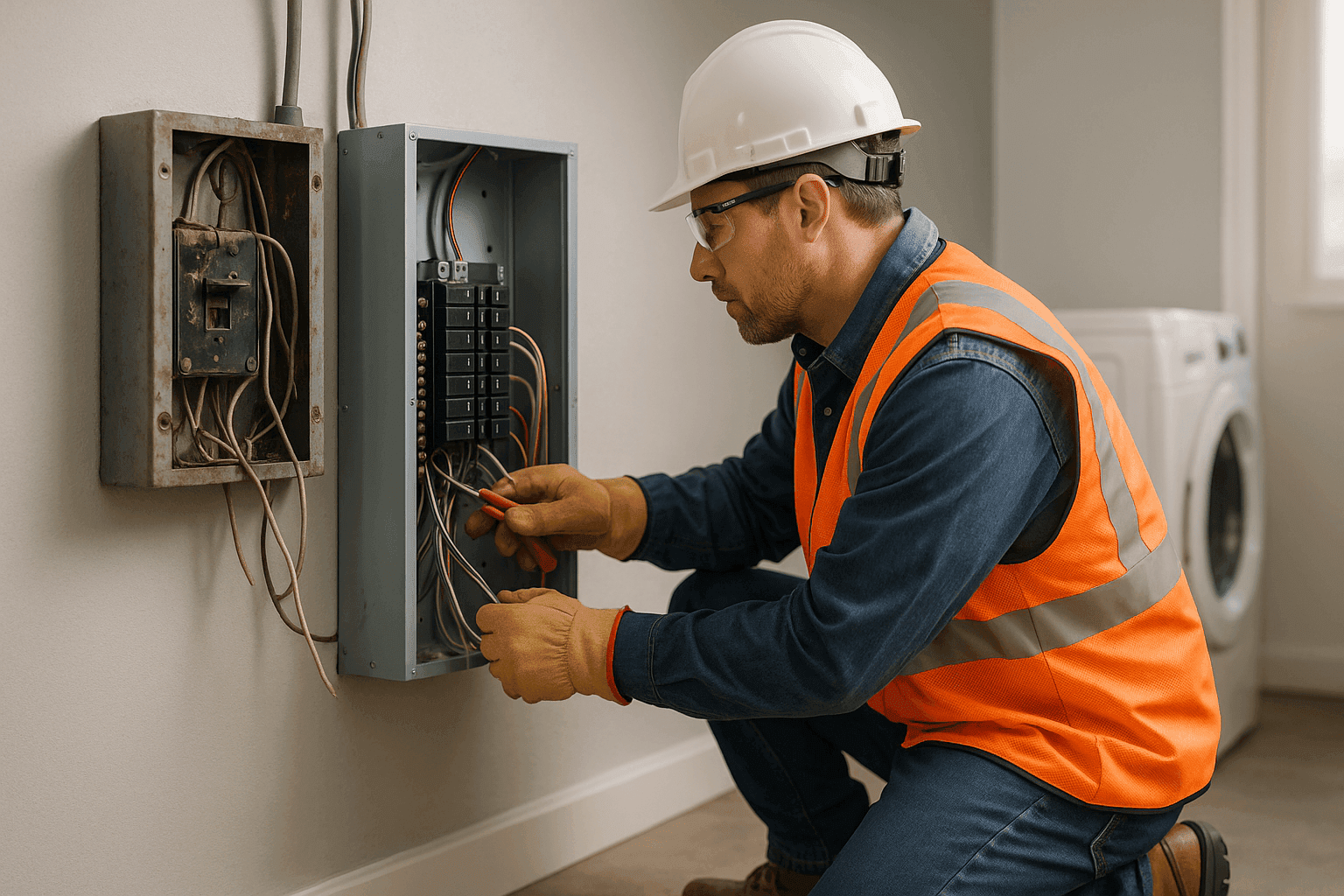
Is your home or business electrical panel starting to show its age? Do you hear strange buzzing or see breakers tripping more often than you'd like? Electrical issues don’t just cause inconvenience—they can pose serious safety risks. As emergency electricians, Kamine Electrical knows what’s at stake and how quickly small issues can grow into big, costly problems.
Electrical panel upgrades aren’t just about keeping the lights on. They’re about protecting your property, meeting modern power demands, and staying in line with current electrical codes. Let’s break down the warning signs, the process, and what you can expect from a panel upgrade—so you’re never left in the dark.
Why Panel Upgrades Matter ⚡
Think of your electrical panel as the traffic cop for all the electricity in your home or business. It directs energy where it’s needed, keeps circuits from getting too crowded, and steps in when something goes wrong. But just like any hardworking system, panels can wear out or become outdated.
Old panels—especially those installed 20, 30, or even 40 years ago—weren’t built for today’s demands. Air conditioners, computer networks, EV chargers, powerful kitchen appliances: they all draw more power than homes and businesses needed decades ago. If your panel isn’t up to the task, you’re at risk for:
- Overloaded circuits that trip or even start fires.
- Outdated parts that don’t meet modern safety codes, like those set out by the National Electrical Code (NEC).
- Hidden corrosion or wear that can cause dangerous short circuits.
- Insurance issues if your system isn’t up to code or passes a safety inspection.
Signs Your Panel Needs Replacement
Not sure if your panel is on its last legs? Here are some red flags that it’s time to call in an emergency electrician for repairs near you:
1. Age of the Panel
If your panel is more than 25–30 years old, it probably can’t keep up. Panels from the 1970s–90s often lack the capacity for today’s power needs and may use components that are no longer considered safe.
2. Frequent Breaker Trips
Breakers are designed to trip when a circuit is overloaded. If this happens once in a blue moon, it’s probably just a fluke. But if you’re resetting breakers every week—or worse, every day—it’s a sign your panel is struggling.
3. Warm or Buzzing Panel
Touch your panel (carefully). If it feels warm or you hear a low buzzing, that’s a red flag. Heat means electricity may not be flowing safely. Buzzing can indicate loose or failing connections.
4. Corrosion or Rust
Water and electricity don’t mix. Corrosion, rust, or visible signs of moisture inside or around your panel can spell trouble. Left unchecked, this can lead to electrical shorts and fire hazards.
5. New Power-Hungry Devices
Adding a pool, hot tub, EV charger, or commercial equipment? Your old panel might not have enough capacity or the right circuits to handle these safely.
What Happens During an Upgrade
Worried about what an upgrade involves? Here’s what you can expect from start to finish:
Step 1: Inspection and Planning
A licensed electrician will inspect your existing system, check your current and future power needs, and design a new setup that fits your property and meets all local and national codes.
Step 2: Power Shutdown
For everyone’s safety, your power will be shut off during the upgrade. This usually takes several hours, so plan ahead for any business operations or home needs.
Step 3: Panel Removal and Installation
The old panel is carefully disconnected and removed. New wiring may be installed to support additional circuits or higher capacity. The new panel and breakers are mounted, connected, and labeled.
Step 4: Testing and Inspection
All connections are tested. The new panel is checked for proper operation and safety. Depending on your location, a city or county inspector may need to sign off before power is restored.
Step 5: Power On and Walkthrough
Once approved, power is restored. Your electrician will walk you through any new features, label circuits, and answer your questions.
Cost and Timeline Expectations 💡
Electrical panel upgrades are an investment in your property, but they don’t have to be a mystery. Here’s what affects the price and schedule:
- Panel Size: Replacing a small residential panel is less complex than upgrading a large commercial system.
- Wiring Needs: If wiring, circuits, or service upgrades are needed, this adds time and cost.
- Permits and Inspections: These are required by law and ensure everything meets current codes, like those specified by the National Fire Protection Association (NFPA).
- Downtime: Most residential upgrades are completed in a day. Commercial projects or complicated rewiring may take longer.
On average, expect a basic residential upgrade to take 6–8 hours. Larger or more complex jobs can stretch over 1–2 days.
Safety Benefits of Modern Panels
Upgrading your panel is like swapping out an old, unreliable lock for a state-of-the-art security system. Here’s what you gain:
- Reduced Fire Risk: Modern panels are designed with updated safety features that help prevent electrical fires.
- Code Compliance: Stay up-to-date with the latest safety standards, including GFCI and AFCI protection where required.
- More Power, More Flexibility: Safely add appliances, EV chargers, or home automation without fear of overload.
- Insurance Peace of Mind: Many insurers require up-to-date electrical systems for coverage.
Real-World Risks of Old Panels
Some panels, like the infamous Federal Pacific Electric (FPE) or Zinsco brands, are known for design flaws that increase fire risk. If your property has one of these, replacement isn’t just recommended—it’s urgent.
What to Expect Before, During, and After Installation
Before:
- Schedule a consultation and inspection.
- Plan for a power outage during the upgrade.
- Move valuables or sensitive electronics away from the workspace.
During:
- Licensed electricians handle all work—no guesswork or shortcuts.
- Old panel is removed, new one installed.
- All work follows NEC guidelines and is inspected as required.
After:
- Power is restored.
- Circuits are labeled and explained.
- You receive any necessary paperwork, like installation certificates or inspection reports.
Practical Tips
- Don’t DIY: Electrical panel work is not a weekend project. It requires licensed pros who understand wiring, grounding, and code requirements.
- Plan Ahead: If you’re adding a pool, spa, or EV charger, talk to an electrician early to ensure your system is ready.
- Regular Maintenance: Schedule periodic safety checks—especially if your panel is over 15 years old.
Authoritative References
- National Electrical Code (NEC), published by the National Fire Protection Association (NFPA)
- U.S. Consumer Product Safety Commission (CPSC) guidelines on electrical safety
- Local building and electrical inspection requirements
Frequently Asked Questions
How do I know if my panel is safe?
If you’re unsure, schedule a professional safety inspection—especially if you notice any warning signs like frequent tripping or a hot panel.
Can I upgrade just some breakers, or do I need a whole new panel?
If your panel is old or has known safety issues, replacing only breakers won’t fix the underlying problems. A full upgrade is often the safest choice.
Does my insurance require a panel upgrade?
Many insurance companies require up-to-date electrical systems for new or renewed policies. An upgraded panel may even help with lower premiums.
Is there a good time of year for upgrades?
Panel upgrades can be done year-round, but planning for a time when you can handle a short power outage is smart.
Call to Action
Don’t wait until a blown fuse or an emergency leaves you in the dark. For 24/7 emergency service, repairs near you, or a safety inspection of your electrical panel, reach out today.
Call Kamine Electrical now — or reach us anytime at 877-618-6775 .