Cost Guide: How Much Do Electrical Repairs and Installations Really Cost?
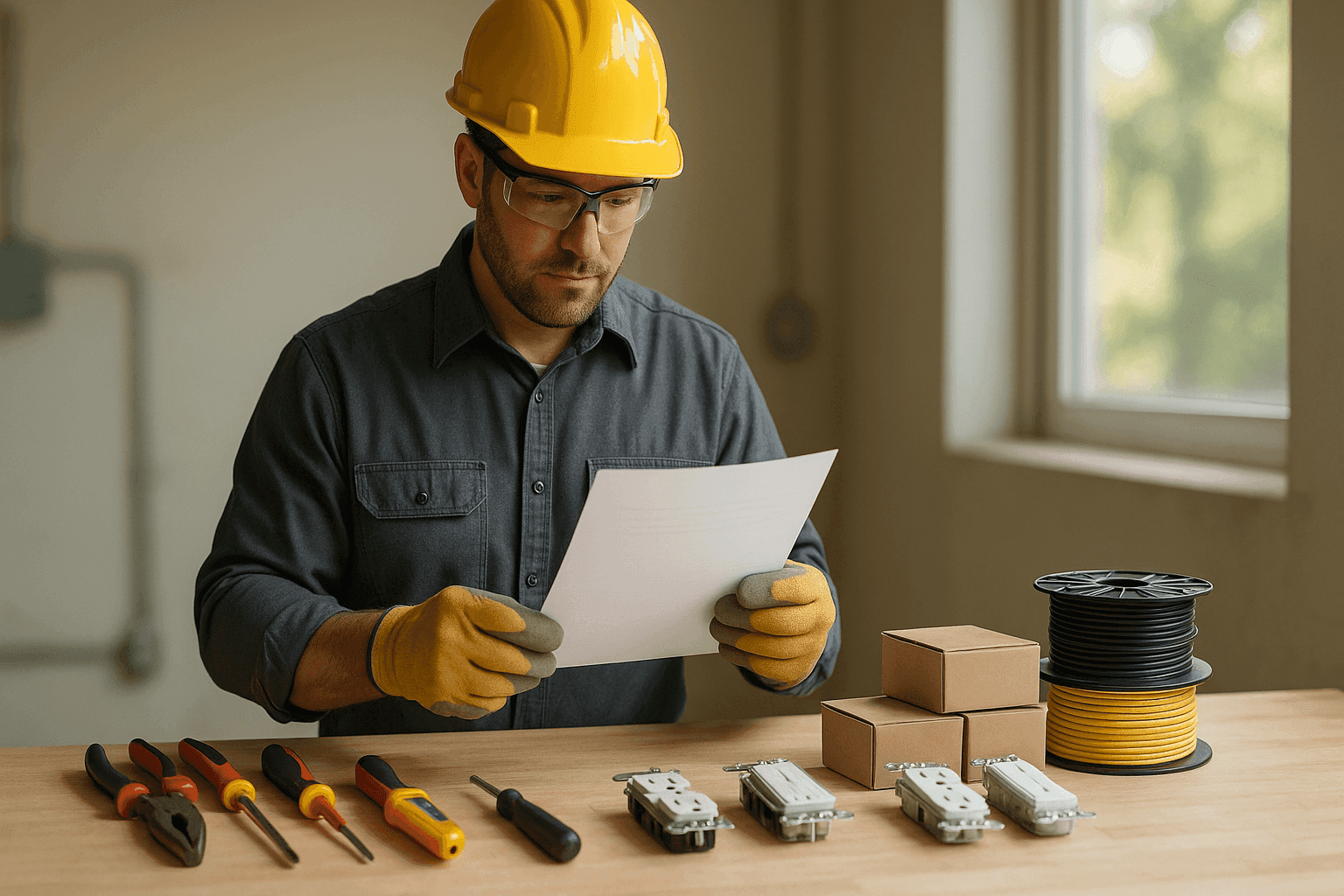
You flip the switch. Nothing. Or maybe you spot a spark, or smell something burning behind the wall. In those moments, the cost of an emergency electrician is the last thing you want to Google—but it’s often the first question that comes up once the panic settles.
Whether you’re facing an urgent problem or planning routine upgrades, understanding what goes into the cost of electrical repairs and installations can help you make smart choices, avoid surprises, and keep your home or business safe.
Factors That Affect Electrical Costs ⚡
No two jobs are exactly the same. The price for electrical work depends on a mix of ingredients, each adding a little—or a lot—to the final bill.
Labor
Labor is the biggest slice of the pie. Experienced, licensed electricians charge for both their skill and time on-site. Expect rates to be higher for complex work, after-hours calls, or jobs that need more than one technician.
- Residential labor: Usually lower than commercial (due to code differences, insurance, and project size)
- Emergency labor: Can add a premium—especially for 24/7 response
Materials
The parts matter. Swapping a basic outlet? Cheap. Installing a high-end smart lighting system? Not so much. Quality, brand, and required safety certifications all add up.
- Standard parts (outlets, switches, breakers): Lower cost
- Specialty items (EV chargers, panels, automation): Higher cost
Complexity
Simple fixes cost less. But if the wiring is old, hidden, or non-standard, the job takes more time and expertise.
- Straightforward: Replacing an outlet or light fixture
- Complex: Rewiring, panel upgrades, or integrating new tech
Emergency Service
Need it fixed right now? Emergency electrician rates are higher. Nights, weekends, and holidays also come with a premium. The faster the response, the more it may cost.
Average Price Ranges for Common Electrical Jobs
Electrical costs are like the weather—they can change fast and vary by region, urgency, and the specifics of your setup. Here’s what you might expect for typical jobs (in today’s market):
Residential
- Outlet or Switch Replacement: $100–$300 per unit (parts + labor)
- Ceiling Fan Installation: $150–$400 (existing wiring); more if new wiring is needed
- Light Fixture Replacement: $120–$400 per fixture (simple to advanced)
- Electrical Panel Upgrade (100–200 amp): $1,500–$4,000 (materials, permits, labor)
- EV Charger Installation: $800–$2,500 (depending on wiring, charger type, permits)
- Whole-Home Rewiring: $8,000–$20,000+ (age, size, code requirements)
Commercial
- Outlet or Lighting Circuit Repairs: $200–$600+ per unit (depending on access and code)
- Panel/Breaker Upgrades: $2,000–$7,000 (heavier-duty, higher compliance)
- Emergency Lighting/Exit Sign Install: $300–$1,000 per unit
- Motor Control Systems: $2,500–$10,000+ (custom solutions, industrial settings)
- Data/Network Cabling: $150–$750 per drop
These ranges don’t include potential emergency surcharges, permit fees, or the cost of bringing outdated wiring up to code. Always ask what’s included in your quote!
Cost-Saving Tips for Electrical Repairs and Installations 💡
A few smart steps can help you keep control over costs—without cutting corners on safety.
- Bundle projects: Grouping small jobs (like outlets, switches, or light fixtures) can save on labor charges.
- Schedule in advance: Non-emergency work during regular hours is almost always less expensive.
- Get detailed quotes: Ask for itemized estimates, so you know exactly what’s included.
- Don’t skip permits: They’re required for most major jobs—and skipping them can cost you down the line.
- Maintain your system: Regular safety checks can catch small problems before they turn expensive (see NFPA 70, National Electrical Code).
Why Quality Matters More Than a Bargain
Chasing the lowest bid can be tempting. But electrical work isn’t like painting a wall—it’s about your safety, your property’s value, and sometimes, meeting legal requirements.
- Licensed electricians follow up-to-date codes (like NEC and local building standards)
- Proper permits protect you if you ever sell or insure your property
- Certified installations mean fewer headaches with insurance, inspections, and warranties
A well-done job passes inspection, stands the test of time, and keeps loved ones or employees safe. That’s real peace of mind.
How to Vet Electrical Quotes and Contractors 📝
Not all quotes are created equal. Here’s how to read between the lines:
- Check credentials: Ask to see the electrician’s license and insurance.
- Request references: A reputable business should have satisfied customers.
- Get it in writing: The best quotes list labor, materials, scope, and potential extras.
- Ask about permits: If your project needs one, make sure it’s covered in the estimate.
If something feels off or a contractor won’t provide documentation, walk away. Your safety comes first.
The Role of Permits and Certifications
Electrical permits aren’t just red tape—they’re your first line of defense against unsafe work and expensive future problems. Projects like panel upgrades, rewiring, and major installations almost always require inspection.
- Permits ensure code compliance (per your local Authority Having Jurisdiction)
- Certified work keeps insurance companies and building inspectors happy
- Unpermitted jobs can mean fines or trouble selling your property
If you’re not sure whether your job needs a permit, ask. A reputable electrician will help you navigate the process.
Frequently Asked Questions
How much does an emergency electrician cost?
Rates can be 1.5–3 times higher than standard calls, especially after hours. Expect $250–$800+ for urgent visits, plus repair costs.
Can I save money by doing it myself?
Some simple tasks are safe for DIY (like changing a bulb), but wiring, panels, and anything behind the wall should always be handled by a pro. Mistakes can lead to fire, shock, or insurance issues.
What’s the difference between residential and commercial rates?
Commercial work usually costs more. The systems are larger, the codes are stricter, and the risks are higher.
Cost vs. Safety: The Real Value
It’s easy to focus on the upfront price. But the real value of electrical work comes from safety, reliability, and future-proofing your property. Bad wiring can ruin appliances, cause fires, and put lives at risk.
A licensed emergency electrician doesn’t just fix the problem—they make sure it’s truly solved, up to code, and safe for years to come.
Ready to Book? Repairs Near You, 24/7
Electrical problems don’t wait for business hours. Whether you need a quick fix, a major upgrade, or true emergency service, Kamine Electrical is here—to keep your lights on, your property safe, and your life moving.
Call Kamine Electrical now — or reach us anytime at 877-618-6775 .